

Summary:Cardiac anesthesiology has advanced significantly in perioperative monitoring, team communication, and risk reduction strategies. Ongoing challenges include patient complexity, resource variability, and integration of emerging technologies. Future safety efforts focus on multidisciplinary collaboration, artificial intelligence, and precision medicine approaches.
INTRODUCTION
With evolving technologies and multidisciplinary care models, cardiac anesthesiology is uniquely positioned to lead patient safety initiatives in the perioperative setting. This article highlights advancements in patient safety in the field of cardiac anesthesiology, focusing on innovations and future directions that are reshaping the field. Key areas of advancement include cardiopulmonary bypass (CPB) management, transesophageal echocardiography (TEE), anticoagulation strategies, viscoelastic testing, blood transfusion protocols, and the growing impact of enhanced recovery protocols (Table 1).
Table 1: Systems and Strategies Enhancing Patient Safety in Cardiac Anesthesiology.
| Focus Area | Key Innovations | Patient Safety Impact |
| Cardiopulmonary Bypass | Biocompatible circuit coatings; improved oxygenators and centrifugal pumps goal-directed perfusion | Reduced inflammatory response, embolic risk, and acute kidney injury |
| Transesophageal Echocardiography | Real-time intraoperative decisions support, improved detections of valve pathology | Reduced re-operative rates, enhanced surgical decision making, better patient outcomes |
| Anticoagulaton Management | Direct thrombin inhibitors, direct oral anticoagulant reversal, individualized protocols | Safer anticoagulation in high-risk patients, fewer bleeding and thrombotic complications |
| Viscoelastic Testing | TEG/ROTEM for coagulopathy assessment | Reduced blood product use, improved coagulation management, precision guided transfusion |
| Blood Management | Cell salvage, PCC, fibrinogen concentrate, restrictive transfusion strategies | Lower transfusion rates, fewer complications, improved hemostasis |
| Renal Safety | AKI risk models, renal oximetry, indexed oxygen delivery targets | Early detection and prevention of acute kidney injury |
| Atrial Fibrillation Prevention | Preoperative risk scoring, beta blockers, surgical techniques | Lower stroke rates, shorter hospital stay |
| Enhanced Recovery | Multimodal analgesia, early extubation, early mobilization | Faster recovery, lower complication rates, reduced ICU time |
TEG: thomboelastography; ROTEM: rotational thromboelastometry; PCC: prothrombin complex concentrates; AKI: acute kidney injury; ICU: intensive care unit.
THE EVOLUTION OF PATIENT SAFETY IN CARDIAC ANESTHESIOLOGY
Over the past four decades, cardiac anesthesiology has evolved into a dynamic, safety-driven specialty central to modern cardiac surgery. In the early days of CPB, limited understanding of physiological responses to extracorporeal circulation, primitive oxygenator technology, and empirical transfusion practices contributed to high rates of perioperative complications. The introduction of invasive monitoring such as pulmonary artery catheters and arterial pressure lines in the 1980s provided critical insights into hemodynamic management. Nevertheless, clinical decision-making relied heavily on individual experience rather than standardized protocols.
The 1990s and 2000s marked a turning point with the widespread adoption of TEE, advancements in heparin monitoring, and simulation training. Anesthesia professionals began playing a more active role in surgical planning, intraoperative assessment, and postoperative management, solidifying their position as essential members of the cardiac surgical team. Alongside the rise of multidisciplinary collaboration came the development of goal directed perfusion strategies, enhanced anticoagulation algorithms, and restrictive transfusion protocols. The specialty’s history reflects an ongoing commitment to learning from past complications, integrating evidence-based practices, and continually adapting to improve patient outcomes.
DEVELOPMENTS IMPROVING PATIENT SAFETY IN CARDIAC SURGERY
CPB and Perfusion: Safer Strategies
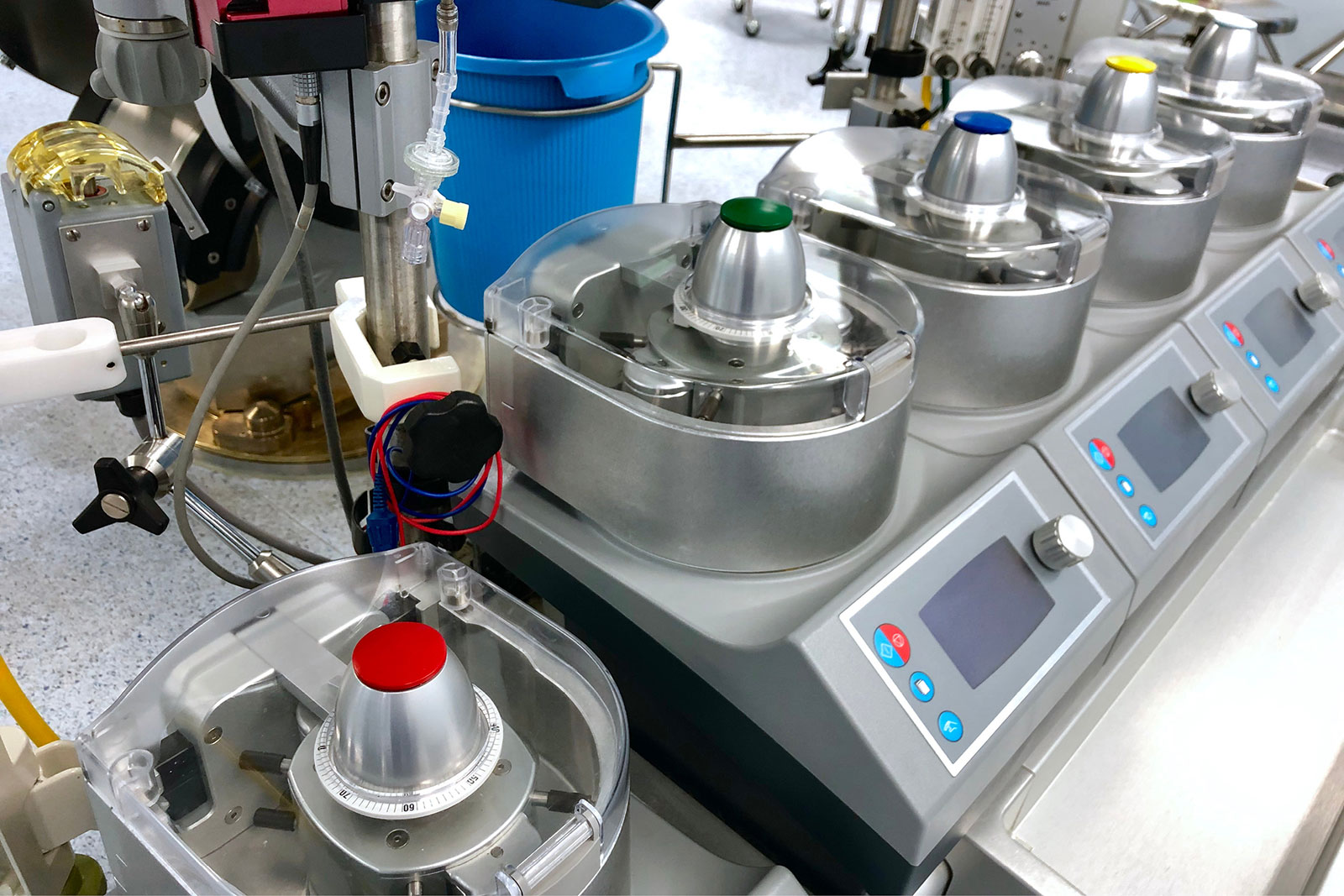
Modern CPB technology has evolved to minimize the systemic inflammatory response and reduce complications such as bleeding, organ dysfunction, and neurologic injury. Innovations include biocompatible circuit coatings that reduce platelet activation and complement cascade stimulation, minimizing coagulation disturbances.1 Improved oxygenators and centrifugal pumps have enhanced hemodynamic stability, reducing hemolysis, and embolic risk. In addition, miniaturized and closed CPB circuit systems decrease prime volume and blood-air interface, which reduces hemodilution and inflammatory activation.2 Furthermore, continuous monitoring of metabolic parameters (e.g., cerebral oximetry, lactate trends) allow for timely intervention, enhancing patient safety.
Looking to the future, the integration of artificial intelligence (AI) into perfusion, particularly CPB management, represents a rapidly evolving frontier in cardiac anesthesiology. Machine learning algorithms now support critical intraoperative decisions by modeling expert perfusionist responses when parameters such as oxygen delivery fall below 280 ml/min/m², helping to prevent organ injury such as acute kidney dysfunction.3
Artificial intelligence augmented perfusion systems are being developed to continuously analyze hemodynamic and metabolic data such as blood flow, pressure, oxygen saturation, and coagulation values to provide real-time decision support or institute automated adjustments aimed at maintaining optimal perfusion parameters.4 These advancements allow for continuous analysis of vital signs and physiological data, enabling the rapid detection of abnormalities and generating real-time alerts for the surgical team. This proactive monitoring supports timely clinical interventions, reduces the risk of intraoperative complications, and enhances overall patient safety.4
However, as these systems mature, implementation challenges such as integrating data and achieving cross-platform standardization will require careful attention to ensure they enhance patient safety without introducing unintended risks or dependency on automated systems for safety.
Transesophageal Echocardiography (TEE)
Intraoperative TEE has undergone significant advancements and now plays a critical role in real-time monitoring and guiding intraoperative decisions during cardiac surgery. Several studies and registry analyses have found that intraoperative TEE is associated with improved patient outcomes and enhanced safety in cardiac surgery.5-7 More than 25 years ago, the first study showed that using intraoperative TEE to guide mitral valve repair improved long-term valve durability and decreased the need for future reoperations.5 More recently, a large cohort study using data from Society of Thoracic Surgeons Adult Cardiac Surgery Database demonstrated that TEE use in valve and proximal aortic surgery was associated with significantly lower 30-day mortality (3.92% vs 5.27%), reduced stroke or composite mortality, and lower rates of reoperation or mortality.6 The use of TEE during coronary artery bypass graft (CABG) cases is also associated with lower mortality, particularly in patients at elevated preoperative risk.7 In addition, intraoperative TEE findings during planned isolated CABGs have led to the detection of previously unrecognized valve pathologies, contributing to improved surgical decision-making and potentially improved long-term safety and outcomes.7
Furthermore, intraoperative TEE plays a critical role in ensuring patient safety during left ventricular assist device (LVAD) implantation, heart transplantation, and lung transplantation by providing real time assessment of cardiac function, guiding surgical decision-making, and enabling early detection of life-threatening complications.
Retrospective analyses indicate that approximately 20% of patients undergoing orthotopic heart transplantation exhibit mild or greater tricuspid regurgitation on post-CPB TEE, a finding linked to right ventricular dysfunction and higher mortality rates.8 During lung transplantation, intraoperative TEE plays an essential role by detecting clinically significant pulmonary vein obstruction (characterized by flow velocities exceeding 100 cm/s), which is reported in 1% to 24% of cases.9 Intraoperative TEE also helps with early detection of worsening RV dysfunction which is common after LVAD implantation due to increased preload. Prompt detection of these complications during complex cardiac surgical procedures has led to improvements in patient safety and overall surgical outcomes.
Anticoagulation Management
Anticoagulation management in cardiac surgery presents a continuous challenge as providers must navigate a fine line between preventing thrombosis and avoiding excessive bleeding. Recent innovations have focused on more precise and individualized anticoagulation protocols, which have led to safer anticoagulation management. In patients with heparin-induced thrombocytopenia, where heparin is contraindicated, the innovation of direct thrombin inhibitors (e.g., bivalirudin or argatroban) has improved intraoperative patient safety during CPB cases. Bivalirudin in particular is increasingly used during CPB in heparin-induced thrombocytopenia positive patients as a safe and effective anticoagulant.10
The rise in direct oral anticoagulant use has also presented new perioperative challenges and hence the innovation of patient-safety-centered preoperative planning and medication reversal solutions prior to cardiac surgery. Preoperative planning includes appropriate timing of direct oral anticoagulant discontinuation, reversal strategies when needed, and re-initiation protocols postoperatively. Guidelines now emphasize timely preoperative risk assessment and interruption protocols based on the specific agent, renal function, and bleeding risk of the procedure. Rapid reversal agents (such as idarucizumab for dabigatran and andexanet alfa for factor Xa inhibitors) are becoming increasingly available in high-risk surgical centers, reducing the risk of major bleeding or surgical delays.11
Multidisciplinary collaboration between anesthesia professionals, perfusionists, surgeons, and hematologists, along with the use of viscoelastic testing to assess clotting function beyond standard coagulation assays, has further advanced anticoagulation safety, especially in reoperations and redo sternotomies.
Viscoelastic Testing
Traditional coagulation tests (e.g., PT, aPTT) provide limited real-time insight into coagulation status during surgery. Viscoelastic tests like TEG and ROTEM offer dynamic, bedside evaluation of clot formation, strength, and fibrinolysis.12 This immediate feedback enables tailored management of coagulopathy, guiding precise administration of blood products or coagulation factors rather than empirical transfusion. Consequently, viscoelastic testing reduces unnecessary transfusions, limits exposure to transfusion-related complications such as transfusion-related acute lung injury, and improves hemostasis management, ultimately decreasing bleeding-related morbidity and mortality.13
Blood Transfusion Strategies
Several strategies are used to optimize blood management in cardiac surgery, reduce transfusion-related risks, and enhance patient safety (Table 2). Blood management has shifted toward patient blood management protocols incorporating cell salvage, acute normovolemic hemodilution, and therapeutic options to control coagulopathic bleeding.
Table 2: Blood Transfusion Strategies in Cardiac Anesthesiology and Their Safety Impact.
| Strategy | Description | Patient Safety Benefit |
| Preoperative Anemia Management | Iron supplementation and erythropoietin in anemic patients | Decreased transfusion requirement, improves oxygen delivery during surgery |
| Cell Salvage | Intraoperative collection and reinfusion of patient’s own blood | Reduces need for allogenic transfusions, lowers infection and inflammatory risk |
| Acute Normovolemic Hemodilution | Preop removal with volume replacement, reinfused postop | Preserves red cells and clotting factors, though may not reduce transfusion rates |
| Prothrombin Complex Concentrates (PCC) | Concentrated vitamin K-dependent factors (II, VII, IX, X) | Enables rapid reversal of coagulopathy, lowers volume load and exposure to plasma |
| Fibrinogen Concentrate | Target fibrinogen replacement, often guided by viscoelastic testing | Improves clot strength, decreases bleeding and need for cryoprecipitate |
| Viscoelastic Testing | Real-time assessment of clot formation and function | Guides precise blood product use, reduces unnecessary transfusions |
| Restrictive Transfusion Protocols | Use of evidence-based threshold to limit transfusion | Avoids over-transfusion, reduces risks such as transfusion associated acute lung injury or volume overload |
Cell salvage involves collection and reinfusion of the patient’s own blood loss intraoperatively, reducing allogeneic transfusion needs and associated risks. This process reduces reliance on allogeneic blood products and is associated with a more favorable inflammatory response, enhancing the overall benefits of using cell saver during CPB.14 Acute normovolemic hemodilution involves removing and storing the patient’s blood preoperatively while maintaining normovolemia, then reinfusing it after surgery, thereby preserving coagulation factors and red cell mass. It is important to note however, that while this strategy has been used to date, it has been recently shown that this method does not reduce blood transfusion rates.15
The use of prothrombin complex concentrates (PCC) and fibrinogen concentrate has further contributed to improved patient safety in cardiac anesthesiology, particularly in the management of bleeding and coagulopathy during and after cardiac surgery. PCC is a concentrated formulation of vitamin K-dependent clotting factors (II, VII, IX, and X) often used to reverse warfarin and manage coagulopathy. It allows rapid reversal of coagulopathy with smaller volume administration compared to fresh frozen plasma, reducing risk of fluid overload. PCC has improved patient safety in cardiac surgery by providing rapid reversal of anticoagulation during urgent or emergent cardiac procedures, reducing exposure to allogenic blood products (decreasing need for fresh frozen plasma and reducing risks of transfusion-related lung injury), and is now streamlined in many institutional massive transfusion and bleeding algorithms in cardiac surgery.16
The introduction of fibrinogen concentrate has also revolutionized patient safety in cardiac anesthesiology by enabling rapid, targeted correction of coagulopathy, reducing reliance on cryoprecipitate, reducing transfusion-related complications and minimizing bleeding-related complications, during and after cardiopulmonary bypass.17 Moreover, goal-directed administration of fibrinogen concentrate based on viscoelastic testing leads to better clot formation and fewer complications.
Transfusions, while often necessary, carry risks of infection, immunologic reaction, and volume overload. Future blood management strategies in cardiac anesthesiology are shifting focus toward restrictive transfusion thresholds, intraoperative cell salvage, preoperative anemia correction (e.g., iron and erythropoietin supplementation), and autologous transfusion when feasible. Data-driven transfusion protocols combined with multimodal blood conservation techniques are significantly improving patient safety profiles in cardiac surgery.18,19
Advancements in Preventing Acute Kidney Injury (AKI)
Acute kidney injury (AKI) remains a prominent and serious complication following cardiopulmonary bypass, affecting up to 30% of adult cardiac surgery patients and worsening postoperative outcomes, including mortality and prolonged hospital stay. Recent patient safety innovations have focused on early risk identification and proactive intraoperative optimization. Predictive models such as the Cleveland Clinic Score and biomarkers (e.g., NGAL, cystatin C) provide early identification of high-risk patients, while intraoperative renal near-infrared spectroscopy offers continuous, noninvasive monitoring of renal tissue oxygenation. In adults, sustained low renal regional cerebral oxygenation values during and shortly after CPB have been strongly correlated with subsequent AKI, often preceding rises in serum creatinine and outperforming traditional biomarkers.20-22
Close monitoring and early identification of renal dysfunction (e.g., pre-existing CKD, decrease in glomerular filtration rate >10% on day of surgery, increase in serum creatinine, and oliguria) for at least 72 hours after cardiac surgery have also improved patient safety in cardiac surgical cases and allowed prompt implementation of renal protective strategies.23
Another key perioperative safety measure specific to AKI in cardiac surgery is goal-directed perfusion, which targets a minimum indexed oxygen delivery ≥280 mL/min/m2. In a randomized controlled trial of adult patients undergoing CPB, maintaining indexed oxygen delivery above 300mL/min/m2 significantly reduced AKI incidence.24 Similar pilot studies and retrospective implementations have reported consistent reductions in AKI using the goal-directed perfusion approach.
IMPROVEMENTS IN ATRIAL FIBRILLATION MANAGEMENT
Postoperative atrial fibrillation complicates up to 30% of cardiac surgeries, increasing stroke risk and lengthening hospital stay. Recent advances include prophylactic strategies such as preoperative risk scoring (e.g., CHA2DS2-VASCc score), preoperative amiodarone, and optimized perioperative beta-blocker and amiodarone use.
Intraoperative interventions, including posterior pericardiectomy and avoidance of retained pericardial blood have also improved long-term rhythm control. Enhanced anticoagulation protocols and risk stratification tools help balance bleeding and thromboembolic risks. Improved atrial fibrillation management decreases stroke incidence, ICU time, and rehospitalization rates, enhancing overall patient safety.25,26
Enhanced Recovery Protocols
Enhanced recovery after cardiac surgery (ERACS) protocols in cardiac surgery integrate evidence-based perioperative strategies that reduce surgical stress, optimize organ function, and accelerate recovery. These practices can reduce morbidity, shorten length of stay, and improve patient satisfaction. Components include multimodal analgesia including chest wall regional blocks (e.g., parasternal intercostal fascial plan block) to minimize opioid use, early extubation protocols, goal-directed fluid therapy, and early mobilization. These measures decrease pulmonary complications, delirium, and cardiac ICU length of stay. ERACS also emphasizes preoperative optimization of nutrition and comorbidities, thereby enhancing patient resilience. Collectively, ERACS protocols have been shown to reduce morbidity, readmissions, and overall mortality, markedly improving patient safety.25
PERSISTENT AND EMERGING CHALLENGES IN PATIENT SAFETY
Despite major advances in cardiac anesthesiology, significant challenges remain. Advanced technologies, refined techniques, and enhanced coordination of care have led to significant improvements in cardiac surgical patient outcomes; however, there is little evidence that much progress has been achieved in reducing preventable errors.27 Many safety threats today are not due to lack of knowledge or technology but rather reflect systemic or operational barriers that impede patient care.
Technological advancements in cardiac anesthesiology offer tremendous benefits but introduce new complexities. Real-time TEE, advanced hemodynamic monitoring, and point-of-care coagulation testing can enhance precise decision-making but also lead to alert fatigue, dependence on automated systems, or information overload. Poor integration between perfusion data, anesthetic records, and electronic health systems can further fragment situational awareness.
The increasing complexity of the cardiac surgical population presents persistent and evolving safety risks. Patients undergoing transcatheter aortic valve replacements, extracorporeal membrane oxygenation, or heart transplantation are often elderly, frail, and burdened with multiple comorbidities. Managing the delicate balance between anticoagulation and bleeding, addressing right ventricular dysfunction or pulmonary hypertension during lung transplantation, and ensuring organ protection during prolonged circulatory arrest in aortic dissection cases demand sophisticated team-based approaches. These cases often unfold in resource constrained environments and require rapid, high-consequence decision-making.
Meeting these challenges will require not only continuous technological and procedural innovation, but also cultural and structural shifts that prioritize standardization, communication, and resilience across the cardiac perioperative care arena. Sustained progress will depend on addressing both technical and human factors across cardiac procedures.
CONCLUSION
Patient safety in cardiac anesthesiology has evolved through technological innovation, data-driven practices, and an expanding culture of multidisciplinary collaboration. Continued advancement in cardiac anesthesiology depends not only on embracing technological and procedural innovations but also on recognizing and addressing persistent and emerging safety challenges.
REFERENCES
- Carrel T. Reduced invasiveness of cardiopulmonary bypass: the mini-circuit and the micro-cardioplegia. J Cardiovasc Dev Dis. 2023;10:290. PMID: 37504545.
- Baikoussis NG, Papakonstantinou NA, Apostolakis E. The “benefits” of the mini-extracorporeal circulation in the minimal invasive cardiac surgery era. J Cardiol. 2014;63:391–396. PMID: 24629908.
- Dias RD, Zenati MA, Rance G, et al. Using machine learning to predict perfusionists’ critical decision-making during cardiac surgery. Comput Methods Biomech Biomed Eng Imaging Vis. 2022;10:308–312. PMID: 35937956.
- Alexander GMM. Artificial intelligence in the hands of perfusionists: revolutionizing cardiopulmonary bypass. Braz J Cardiovasc Surg. 2024;39:e20240005. PMID: 39241215.
- Gillinov AM, Cosgrove DM, Blackstone EH, et al. Durability of mitral valve repair for degenerative disease. J Thorac Cardiovasc Surg. 1998;116:734–743. PMID: 9806380.
- MacKay EJ, Zhang B, Augoustides JG, et al. Association of Intraoperative Transesophageal Echocardiography and clinical outcomes after open cardiac valve or proximal aortic surgery. JAMA Netw Open. 2022;5:e2147820. PMID: 35138396.
- Metkus TS, Thibault D, Grant MC, et al. Transesophageal echocardiography in patients undergoing coronary artery bypass graft surgery. J Am Coll Cardiol. 2021;78:112–122. PMID: 33957241.
- Bishawi M, Zanotti G, Shaw L, et al. Tricuspid valve regurgitation immediately after heart transplant and long-term outcomes. Ann Thorac Surg. 2019;107:1348–1355. PMID: 30529215.
- Schulman LL, Anandarangam T, Leibowitz DW, et al. Four-year prospective study of pulmonary venous thrombosis after lung transplantation. J Am Soc Echocardiogr. 2001;14:806–812. PMID: 11490329.
- Meshulami N, Murthy R, Meyer M, et al. Bivalirudin anticoagulation for cardiopulmonary bypass during cardiac surgery. Perfusion. 2025;40:7–19. PMID: 38084653.
- Levy JH, Ageno W, et al. Subcommittee on Control of Anticoagulation. When and how to use antidotes for the reversal of direct oral anticoagulants: guidance from the SSC of the ISTH. J Thromb Haemost. 2016;14:623–627. PMID: 26911798.
- Hartmann J, Hermelin D, Levy JH. Viscoelastic testing: an illustrated review of technology and clinical applications. Res Pract Thromb Haemost. 2022;7:100031. PMID: 36760779.
- Wells M, Raja M, Rahman S. Point-of-care viscoelastic testing. BJA Educ. 2022;22:416–423. Erratum in: BJA Educ. 2023 Mar;23:118–119. PMID: 36304915.
- Bauer A, Hausmann H, Schaarschmidt J, et al. Shed-blood-separation and cell-saver: an integral Part of MiECC? Shed-blood-separation and its influence on the perioperative inflammatory response during coronary revascularization with minimal invasive extracorporeal circulation systems—a randomized controlled trial. Perfusion. 2018;33:136–147. PMID: 28937313.
- Monaco F, Lei C, Bonizzoni MA, Efremov S, et al. A randomized trial of acute normovolemic hemodilution in cardiac surgery. N Engl J Med. 2025;393:450–460. PMID: 40503713.
- Casselman FPA, Lance MD, Ahmed A, et al. 2024 EACTS/EACTAIC Guidelines on patient blood management in adult cardiac surgery in collaboration with EBCP. Eur J Cardiothorac Surg. 2025;67:ezae352. PMID: 39385500.
- Callum J, Farkouh ME, Scales DC, et al. Effect of fibrinogen concentrate vs cryoprecipitate on blood component transfusion after cardiac surgery: the FIBRES Randomized Clinical Trial. JAMA. 2019;322:1966–1976. PMID: 31634905.
- Gross I, Seifert B, Hofmann A, Spahn DR. Patient blood management in cardiac surgery results in fewer transfusions and better outcome. Transfusion. 2015;55:1075–1081. PMID: 25565302.
- Mandal, S, Smith DL, Pelletier PJ, et al. Perioperative anaemia management. Annals of Blood. 2023;8:30. https://aob.amegroups.org/article/view/7906/html Accessed August 10, 2025.
- Wang Z, Xu J, Zhang Y, et al. Prediction of acute kidney injury incidence following acute type A aortic dissection surgery with novel biomarkers: a prospective observational study. BMC Med. 2023; 21:503. PMID: 38110934.
- Kiss N, Papp M, Turan C, Kói T, et al. Combination of urinary biomarkers can predict cardiac surgery-associated acute kidney injury: a systematic review and meta-analysis. Ann Intensive Care. 2025;15:45. PMID: 40155515.
- Ortega-Loubon C, Fernández-Molina M, Fierro I, et al. Postoperative kidney oxygen saturation as a novel marker for acute kidney injury after adult cardiac surgery. J Thorac Cardiovasc Surg. 2019;157:2340–2351.e3. PMID: 30459107.
- Just IA, Alborzi F, Godde M, et al. Cardiac surgery-related acute kidney injury _ risk factors, clinical course, management suggestions. J Cardiothorac Vasc Anesth. 2022;36:444–451. PMID: 34130896.
- Mukaida H, Matsushita S, Yamamoto T, et al. Oxygen delivery-guided perfusion for the prevention of acute kidney injury: a randomized controlled trial. J Thorac Cardiovasc Surg. 2023;165:750–760.e5. PMID: 33840474.
- Grant MC, Crisafi C, Alvarez A, et al. Perioperative care in cardiac surgery: a joint consensus statement by the Enhanced Recovery After Surgery (ERAS) Cardiac Society, ERAS International Society, and The Society of Thoracic Surgeons (STS). Ann Thorac Surg. 2024;117:669–689. PMID: 38284956.
- Suero OR, Ali AK, Barron LR, Segar MW, et al. Postoperative atrial fibrillation (POAF) after cardiac surgery: clinical practice review. J Thorac Dis. 2024;16:1503–1520. PMID: 38505057.
- Martinez EA, Thompson DA, Errett NA, et al. High stakes and high risk: a focused qualitative review of hazards during cardiac surgery. Anesth Analg. 2011;112:1061–1074. PMID: 21372272.