

FAVOURS percutaneous coronary intervention (PCI):


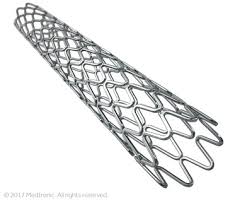
Clinical characteristics:
- Presence of severe co-morbidity (not adequately reflected by scores)
- Advanced age/frailty/reduced life expectancy
- Restricted mobility and conditions that affect the rehabilitation process
Anatomical and technical aspects:
- Multivessel coronary artery disease (MVD) with SYNTAX score 0–22
- Anatomy likely resulting in incomplete revascularization with CABG (coronary artery bypass grafting) due to poor quality or missing conduits
- Severe chest deformation or scoliosis
- Sequelae of chest radiation
- Porcelain aorta (consider no-touch off-pump CABG in case of porcelain aorta).
FAVOURS CABG (coronary artery bypass grafting):
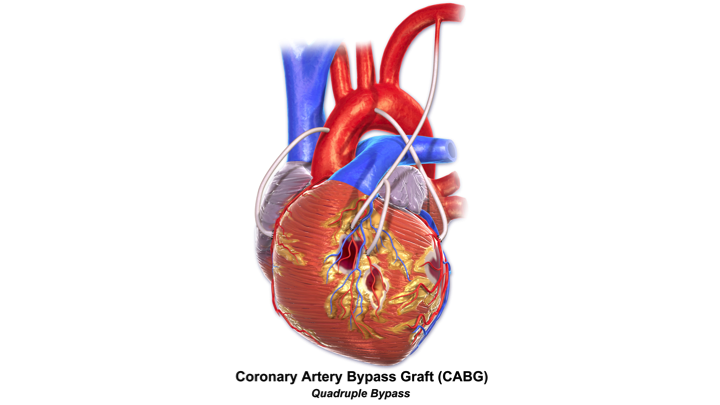
Clinical characteristics:
- Diabetes
- Reduced LV (left ventricular) function (ejection fraction ≤ 35%)
- Contraindication to DAPT (dual antiplatelet therapy)
- Recurrent diffuse in-stent restenosis
Anatomical and technical aspects:
- Multivessel coronary artery disease (MVD) with SYNTAX score ≥ 23
- Anatomy likely resulting in incomplete revascularization with PCI
- Severely calcified coronary artery lesions limiting lesion expansion
Need for concomitant interventions:
- Ascending aortic pathology with indication for surgery
- Concomitant cardiac surgery
source: 2018 ESC/EACTS Guidelines on myocardial
revascularization